

Smart Home Automation Upgrades Worth Considering
Technology has a place in a well-run home. The trick is knowing which upgrades actually make life easier and which ones are just expensive toys destined to be a major pain in your ass. You don’t need voice activation to open your refrigerator, and a toilet can be flushed much easier without a friggin app!
The smart home upgrades worth considering are the ones that protect your property, improve comfort, save energy, or take another chore off your plate. Here’s where the technology earns its keep.
What Exactly Is a Connected Device?
A connected device or appliance communicates with your home network, usually through Wi-Fi, Bluetooth, or another wireless connection. That connection allows you to control it remotely, receive alerts, monitor performance, or automate certain functions. Think of a thermostat that adjusts the temperature while you’re away or a leak detector that alerts you to water beneath your washing machine.
These products are part of what’s known as the Internet of Things, or IoT. The National Institute of Standards and Technology (NIST) provides consumer IoT cybersecurity guidance that explains why security matters when everyday household devices connect to the internet.
Smart Thermostats That Think Ahead
Heating and cooling account for a significant share of household energy use, making a smart thermostat a practical starting point. Depending on the model, it can learn your schedule, adjust temperatures when you’re away, and let you manage your HVAC system from your phone.
Look for an ENERGY STAR-certified model that’s compatible with your existing equipment. The goal is simple: keep the house comfortable without paying to heat or cool it unnecessarily. Actual savings depend on your climate, equipment, and how you use the thermostat.
Automatic Water Leak Detection
Water damage is the kind of home repair nobody wants to discover after returning from a weekend away. Smart leak sensors detect moisture near water heaters, under sinks, or behind washing machines, then send an alert to your phone.
For greater protection, consider a whole-home system that monitors water flow and can automatically shut off the main supply when it detects a suspected leak. This is particularly worthwhile for vacation homes, older properties, and households that travel frequently. A small sensor can be cheap insurance against a very expensive mess.
Smart Locks and Garage Door Controls
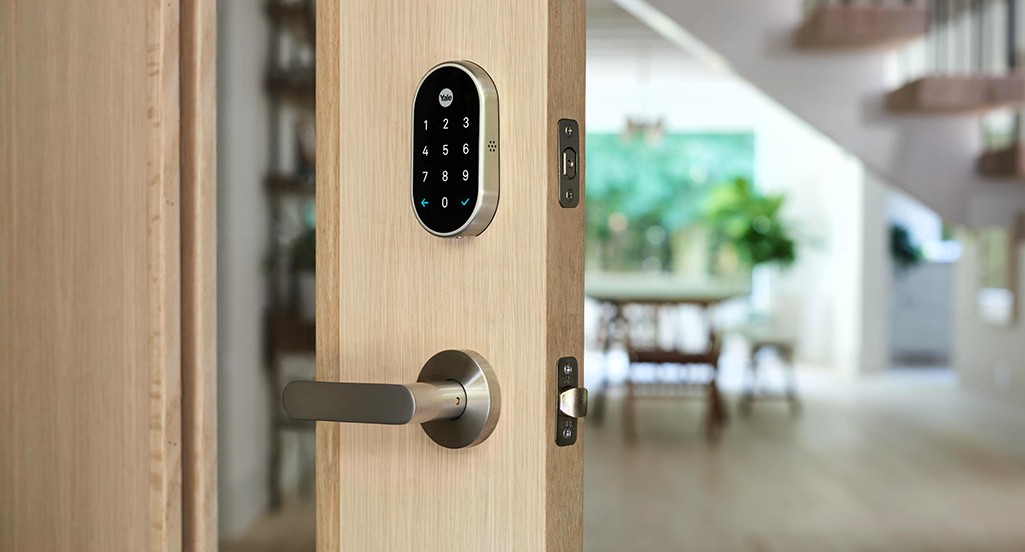
Ever pull away from home and wonder whether you locked the front door or shut the garage? Smart locks and garage door controllers can put that question to rest. Depending on the equipment, you can check status remotely, lock up from your phone, receive alerts, or create temporary access codes for guests and service professionals.
These upgrades are especially useful for busy households and anyone who regularly has people coming and going. Choose products with strong security features, keep software updated, and use multifactor authentication where available. Convenience is great; making your home easier to break into isn’t.
Smart Lighting That Works Automatically
Smart lighting earns its keep when you don’t have to think about it. Motion sensors can illuminate hallways at night, outdoor lights can switch on at sunset, and scheduled lighting can make an empty house look occupied while you’re away.
You don’t need to replace every bulb. Smart switches and dimmers can automate existing fixtures, while motion sensors handle areas such as hallways, garages, and entryways. Set it up properly and you’ll spend less time flicking switches and more time enjoying the house.
Smart Smoke and Carbon Monoxide Detection
Basic smoke and carbon monoxide alarms are essential, but connected models can add another layer of protection by sending alerts to your phone when an alarm sounds, even when you’re away. Some systems can also notify you when a device needs attention or its battery is running low.
The U.S. Fire Administration’s provides smoke alarm guidance, which guides your through proper placement, testing, and replacement. Smart features are useful, but they don’t replace having working alarms in the right locations. If you’re upgrading hardwired alarms, have a qualified electrician handle the installation where needed.
Motorized Window Shades
Motorized shades are particularly useful for tall windows, skylights, and rooms that get hammered by direct sunlight. Program them to close during the hottest part of the day, open in the morning, or follow a schedule that changes with the seasons.
They can help manage glare and unwanted solar heat while protecting furniture from prolonged sun exposure. Some systems coordinate with lighting and temperature controls, making them a worthwhile upgrade for the right room.
Smart Irrigation That Watches the Weather
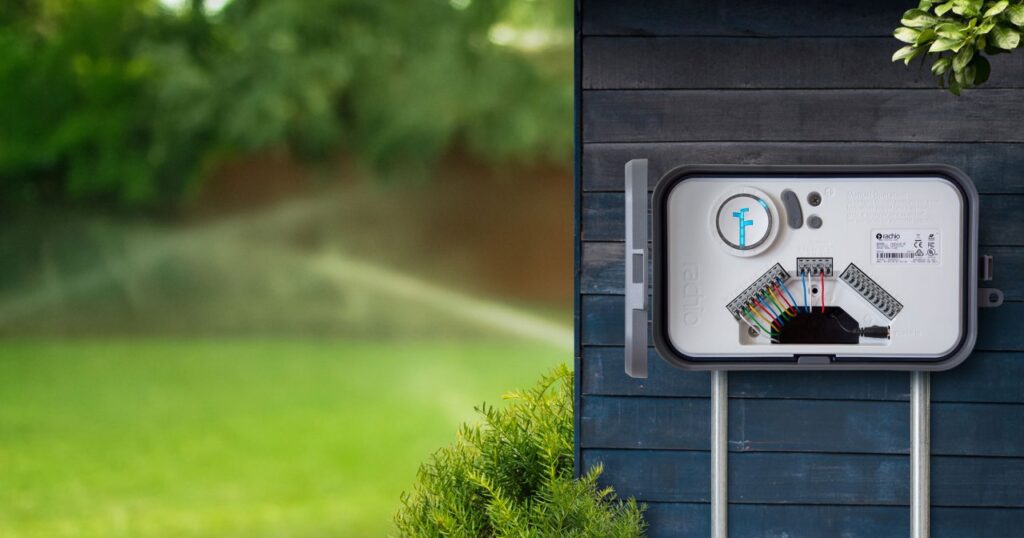
A basic sprinkler timer doesn’t know whether it rained last night. A smart irrigation controller can use local weather data or soil moisture sensors to adjust watering schedules, and is recommended by the EPA.
That means less unnecessary watering and less time fiddling with sprinkler settings. It’s particularly useful for larger yards, gardens, and properties with multiple irrigation zones. Just make sure the controller works with your existing irrigation equipment before buying.
Build a Smarter Home, Not a More Complicated One
Before spending money, decide what problem you’re trying to solve. Preventing water damage, managing heating and cooling, improving security, and automating lighting are practical reasons to upgrade. Buying a connected refrigerator just because it has a screen? That’s a tougher sell.
Also consider device compatibility, subscription fees, privacy, and cybersecurity. Start with one or two upgrades that solve real problems, then build from there. The smartest home isn’t the one with the most gadgets. It’s the one where the technology quietly does its job and gives you one less thing to worry about.
Thank you for reading The Rugged House, the best home services and handyman website!
You Might Also Like