How to Create a Home Maintenance Plan To Protect Your House
Your home is your most important investment, but protecting it doesn’t require a never-ending list of expensive upgrades. Regular maintenance, attention to early warning signs and knowing when to call a professional can help prevent minor problems from turning into major repairs. From a slow plumbing leak to a deteriorating roof, the sooner you catch a problem, the more options you generally have for dealing with it.
The trick is to stay ahead of the work rather than waiting for something to break. Here’s where to focus your attention to keep your home in good condition, avoid unnecessary expenses and make smarter decisions about repairs and improvements.
How To Create a Home Maintenance Plan
A simple maintenance schedule can help you keep track of routine inspections, equipment servicing and repairs that need attention. Make a list of your home’s major systems, including the roof, plumbing, electrical panel, heating and cooling equipment, water heater, windows and exterior drainage. Note the age of major components, keep records of previous repairs and set reminders for recurring maintenance.
Seasonal inspections are a good starting point, but your schedule should reflect your home’s age, climate and condition. Check manufacturer recommendations for appliances and mechanical equipment, and address recurring problems rather than repeatedly treating the symptoms. A little organization makes it easier to prioritize work and budget for larger expenses before they become emergencies.
Protect Your Roof and Exterior
Your roof takes a beating from sun, wind and rain, and even minor damage can allow moisture into the structure. Look for missing or damaged shingles, deteriorating flashing, blocked gutters and water stains on ceilings. You can spot some warning signs from the ground, but leave roof access and repairs to qualified professionals when conditions are unsafe or the damage requires closer inspection.
Climate makes a difference. In Southern California, prolonged ultraviolet exposure can accelerate the deterioration of some roofing materials and sealants, while seasonal heavy rain can reveal weaknesses that went unnoticed during dry weather. Coastal homes may also need additional attention to corrosion and weather-exposed finishes. Regular inspections and prompt repairs can help extend the life of roofing materials and prevent water damage inside the home.
Windows, doors, siding and exterior paint deserve attention, too. Cracked sealants, damaged weatherstripping and deteriorating wood can allow moisture and unwanted air into the building. Repair the underlying problem before covering it with fresh paint or caulk, and make sure drainage openings remain unobstructed.
Prevent Plumbing Problems and Water Damage
Small plumbing problems can turn into expensive repairs when they go unnoticed. Check under sinks for leaks, inspect exposed pipes for corrosion, keep drains clear, and pay attention to changes in water pressure. The EPA’s WaterSense home maintenance guidance offers practical advice for identifying leaks and maintaining water-using fixtures. If you notice recurring clogs, slow drains, or signs of a hidden leak, bring in a qualified plumber before the damage spreads.
Every homeowner should know where the main water shutoff is located. If a pipe bursts or a significant leak develops, shutting off the water promptly can limit the damage while repairs are arranged. Leak detectors and automatic shutoff devices can provide another layer of protection, particularly near washing machines, water heaters and other equipment that uses water.
For persistent drainage problems, hidden leaks or recurring plumbing failures, a licensed plumber can identify the cause and recommend an appropriate repair. Homeowners dealing with stubborn sewer problems can also explore trenchless sewer repair services, which keep your costs down without digging up your property.
Maintain Your HVAC and Electrical Systems
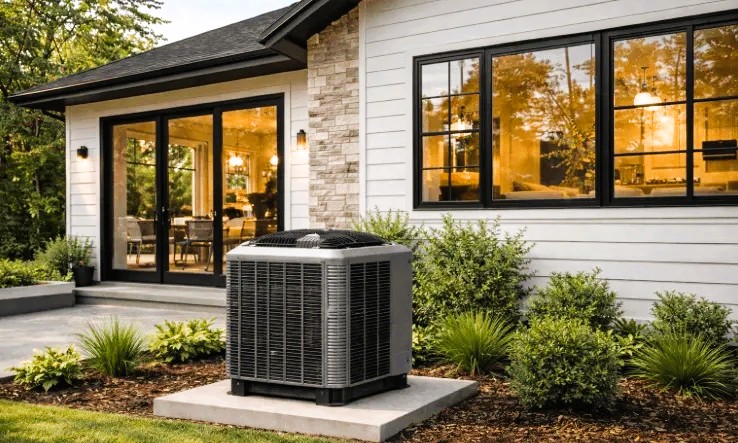
Your heating, cooling, and electrical systems need regular attention to operate safely and reliably. Replace HVAC filters according to the manufacturer’s recommendations, keep outdoor equipment clear of debris, and schedule professional maintenance when needed. For energy-efficient home upgrades, ENERGY STAR’s homeowner resources offer guidance on improving efficiency and choosing eligible products. Electrical issues such as frequently tripping breakers, warm outlets, or flickering lights deserve attention from a licensed electrician. For additional fire prevention and electrical safety information, consult the National Fire Protection Association.
Electrical safety deserves similar attention. Frequently tripping breakers, buzzing outlets, discolored receptacles and burning odors can indicate potentially serious problems. Avoid overloaded outlets and damaged cords, and don’t attempt electrical repairs beyond your knowledge and qualifications. Significant electrical work should be handled by an appropriately qualified professional in accordance with local requirements.
Keep Water Away From Your Foundation
Poor drainage can contribute to moisture intrusion and, in some circumstances, foundation damage. Check that gutters and downspouts direct water away from the house, look for areas where rainwater collects near the foundation, and make sure irrigation isn’t continually soaking exterior walls. Persistent dampness, unexplained water stains and recurring musty odors deserve attention rather than a quick cosmetic fix.
Landscaping can play a role in protecting the property, too. Maintain irrigation systems, keep vegetation from trapping moisture against exterior surfaces and monitor trees and large shrubs that are close to the house. Significant cracking, persistent water intrusion or signs of structural movement warrant evaluation by an appropriate professional.
Use Smart Home Technology to Protect Your Property
Home automation isn’t just about controlling lights from your phone. Smart thermostats, leak detectors, automatic water shutoff valves and connected safety devices can help homeowners monitor their properties and respond to certain problems sooner.
Start with the risks that matter most to your household. A leak detector near a water heater may provide more practical value than an elaborate automation system you rarely use. A smart thermostat can help manage heating and cooling schedules, while connected alerts may be useful when you’re away from home. The benefits depend on the equipment, installation and whether someone can respond when an alert arrives.
Technology should complement routine maintenance, not replace it. Keep connected devices updated, use strong passwords and understand what happens if the internet or power goes down. The best smart-home upgrades solve real problems rather than simply adding another gadget to the collection.
A Better Home Starts With Better Habits
Protecting your home comes down to paying attention, maintaining essential systems and addressing problems before they get worse. A straightforward maintenance schedule, a record of repairs and a willingness to seek qualified advice can help you make informed decisions and avoid preventable surprises.
Every property has different needs based on its age, construction, location and climate, so tailor your maintenance plan accordingly. Take care of the small things, invest in the repairs that matter and give the professionals who know their trades a call when the job demands it.
The Rugged House is a valuable home services website that helps you navigate home improvement, maintenance, home automation and the people who keep everything running. Good information, quality workmanship and a little preventive thinking can go a long way toward protecting the place you call home.
Thank you for reading The Rugged House, the best home services and handyman website!
You Might Also Like