
Repair or Replace? Making Smarter Home Improvement Decisions
Every homeowner eventually faces the same expensive question. Do you repair the aging air conditioner, replace the leaky water heater, or finally admit the deck has seen better days? Make the wrong call and you can waste thousands of dollars. Make the right one and you can extend the life of your home’s biggest investments without throwing money at problems that keep coming back.
The trick is knowing when a repair makes sense, when replacement is the smarter move, and when a contractor might be more interested in selling you something than solving your problem.
Start With the Real Cost, Not Just the Price Tag
A cheap repair isn’t necessarily a bargain if you’re paying for the same fix every few months. On the other hand, replacing an entire system because one component failed can be an expensive overreaction.
Ask for a clear diagnosis and an itemized estimate. Find out what failed, what caused it, whether other components are showing signs of trouble, and how long the repair is reasonably expected to last. Then compare that cost with replacement, including installation, operating costs, warranties, and any additional work required.
There’s no universal rule that says a repair costing a certain percentage of replacement automatically means you should buy new. The age and condition of the equipment, the likelihood of further breakdowns, and your plans for the property all matter.
Know When Your HVAC System Has Had Enough
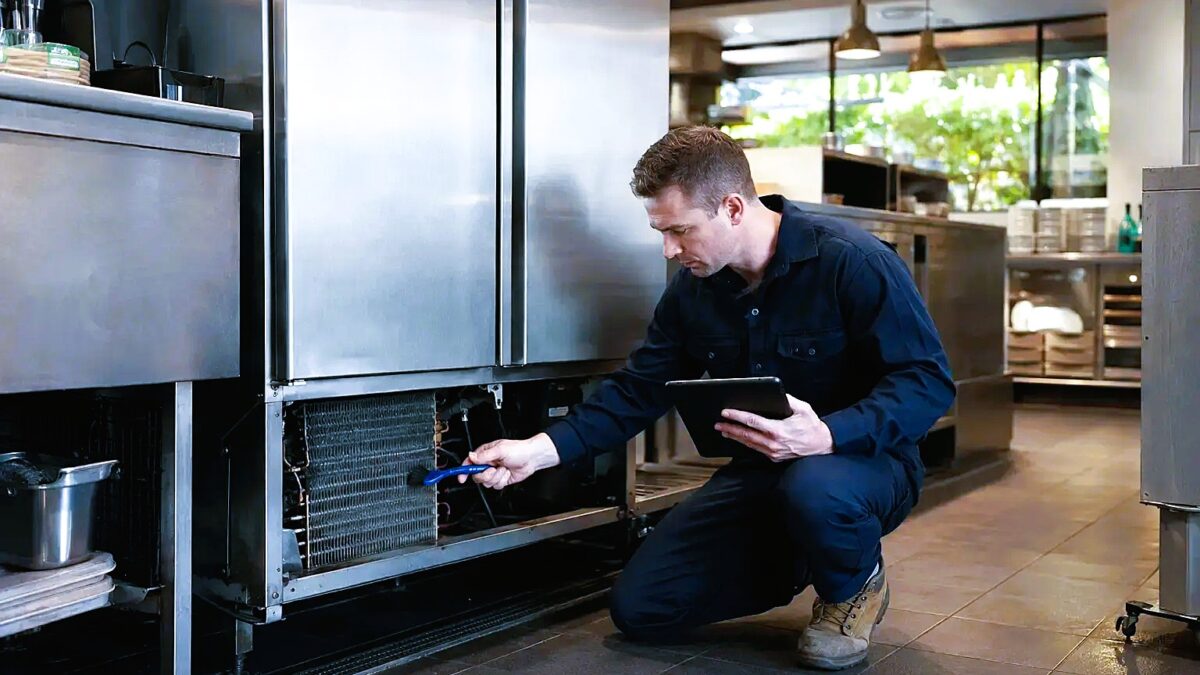
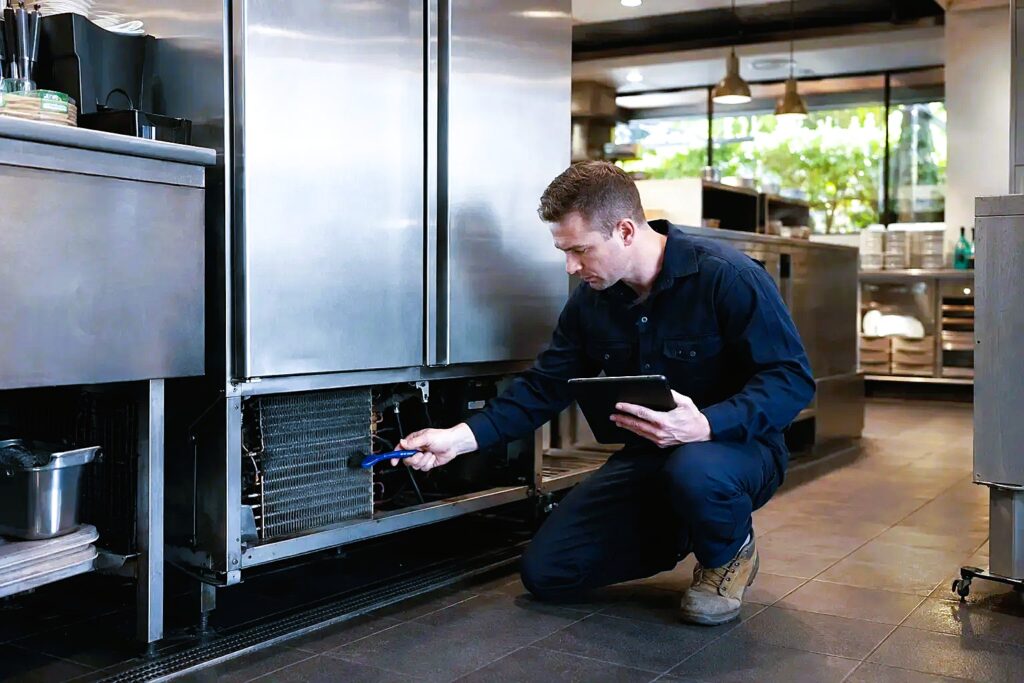
Heating and cooling equipment is a good example of why age alone doesn’t tell the whole story. An older air conditioner that’s been maintained and still performs well may have useful life left. But frequent breakdowns, rising energy bills, uneven temperatures, and expensive component failures can change the equation.
ENERGY STAR offers useful guidance on when to replace heating and cooling equipment, including age-related warning signs and potential efficiency benefits. Get a qualified HVAC contractor to evaluate the equipment before committing to a replacement. Poor airflow, dirty coils, duct problems, or an incorrectly sized system can sometimes be addressed without buying an entirely new unit.
Don’t Wait for the Water Heater to Become a Flood
Water heaters rarely get much attention until the morning shower turns cold or water starts collecting around the tank. If the unit is aging, leaking, or requiring repeated repairs, it’s worth evaluating replacement before you’re dealing with an emergency.
A leaking tank generally calls for replacement rather than a patch job, while a faulty valve or replaceable component may be a straightforward repair. Contact a reliable plumber identify the source of the problem instead of assuming the entire unit is finished. Consider the equipment’s age, condition, efficiency, household demand, and the cost of installation when making the decision.
Look Beyond the Cosmetic Damage
Not every cracked tile, peeling paint job, or weathered deck calls for a full renovation. Sometimes a targeted repair can restore the appearance and function of a surface for years. But cosmetic damage can also be the visible symptom of a bigger problem, such as moisture intrusion, wood rot, or movement in the underlying structure.
Before covering up the evidence, find out what’s causing it. Repainting water-damaged drywall without fixing the leak is just putting a fresh coat of optimism over an expensive problem. The same goes for patching a roof without checking whether the surrounding materials have deteriorated.
For structural damage, persistent moisture, or anything that could affect safety, bring in a qualified professional to assess the underlying issue before choosing a repair.
Check Warranties Before Paying Out of Pocket
Before approving a major repair or buying replacement equipment, check whether the existing product or installation is still covered by a warranty. Keep receipts, installation records, and maintenance documentation, and read the actual terms rather than relying on what a salesperson remembers telling you.
The Federal Trade Commission explains what homeowners should know about warranties on new homes, including the difference between builder warranties and paid home warranty service contracts. Those paid contracts may have exclusions, service fees, and coverage limits that make them less valuable than they first appear. Don’t assume a home warranty will cover the repair until you’ve checked the details.
Get a Second Opinion on Expensive Replacements
If a contractor recommends replacing a major system or undertaking a costly renovation, ask why the repair isn’t practical and request the reasoning in writing. For a substantial expense, a second opinion can be money well spent.
Compare more than the bottom-line price. Check licensing where required, insurance, references, the proposed scope of work, equipment specifications, and warranty coverage. A suspiciously low bid may leave out necessary work, while the highest quote isn’t automatically the best. You’re hiring someone to solve a problem, not audition for a financial horror story.
Make the Decision That Pays Off Over Time
The smartest home improvement decision isn’t always the cheapest repair or the newest replacement. It’s the option that delivers reliable performance, sensible long-term costs, and the right level of safety for your home.
Keep records of repairs, maintain equipment before it fails, and set aside money for inevitable replacements. When a contractor tells you something needs to go, ask questions before reaching for your wallet. A little homework today can save you a lot of aggravation — and a substantial amount of cash — tomorrow.
Thank you for reading The Rugged House, the best home services and handyman website!
You Might Also Like